Tall Fescue Lawns in Overland Park, KS: How to Know If Your Lawn Needs Overseeding
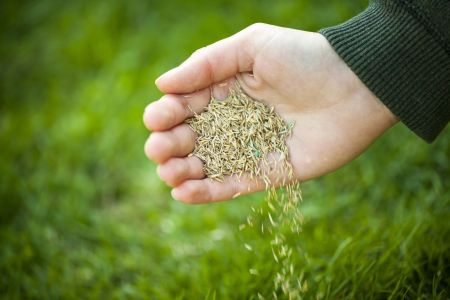
Tall fescue is one of the most common lawn grasses in Overland Park thanks to its deep roots, heat tolerance, and ability to handle Kansas weather. Understanding how tall fescue grows can help you determine when overseeding and fertilization should be part of your fall lawn care plan and what results to expect in our clay-heavy soils.
How To Identify Tall Fescue In Your Lawn
Tall fescue is easy to recognize once you know what to look for. It grows in clumps rather than spreading, has wider blades than many other cool-season grasses, and develops a deep root system that helps it handle heat and drought.
Leaf Texture and Color
Tall fescue typically appears medium to dark green with a coarse, ribbed blade texture. The blades are wider than many other lawn grasses and can feel slightly rough when you run your fingers along them.
Growth Habit
Tall fescue is a bunch-type grass, meaning it grows outward from individual plants instead of spreading aggressively. Tall fescue will not fill bare spots on its own. When thinning occurs, overseeding is usually needed to restore density.
Heat, Shade, and Wear Tolerance
Tall fescue performs well in Overland Park's hot summers and can tolerate partial shade better than many cool-season grasses. Its deep roots help it stay greener during dry periods, although heavy traffic and summer stress can still create thin areas that benefit from overseeding.
Why Overseeding Matters In Overland Park, KS
Our area is ideal for cool-season grasses, but even healthy tall fescue lawns thin out from summer heat, foot traffic, drought stress, and compacted clay soils. Fall is your best window for overseeding in Overland Park. From late August through early October, soil temperatures typically fall into the ideal range for germination, weed pressure decreases, and moisture conditions improve.
If you want a quick refresher on lawn basics while you plan, you can explore overseeding in Overland Park, KS resources on our home base for helpful context about cool-season care and timing.
Aeration + Overseeding: The Winning Combo For Clay Soil
Much of Johnson County has dense, compacted clay that squeezes out air and slows water movement. When seed lands on a hard surface, it dries out or washes away. Core aeration pulls small plugs from the turf, opening pockets so seed and nutrients meet real soil instead of sitting on top.
Paired together, aeration and overseeding help new grass establish deeper roots and create a thicker stand of turf. Aeration is essential in our clay-heavy soils. It is often the difference between temporary green-up and lasting lawn improvement.
Local insight: After a long August, Overland Park clay can crust and shed water. Professional core aeration before seeding improves seed-to-soil contact and reduces runoff on slopes near streets and driveways.
Timing The Fall Window In Overland Park
The sweet spot runs from the last week of August through early October. That gives new seedlings six to eight weeks of mild weather before the first hard frost. Do not wait past October for best results. Once nights turn colder and daylight decreases, germination slows and roots remain shallow.
If your family calendar is packed with back-to-school activities and weekend sports around 135th Street or the Blue Valley corridor, schedule overseeding early. Booking ahead helps ensure your lawn receives seed during the most productive growing conditions.
Signs Your Lawn Needs Fall Overseeding
- Thin, sparse areas where soil is visible
- Brown patches that never fully recovered from summer stress
- Heavy traffic areas worn down by kids, pets, or outdoor activities
- Uneven turf density throughout the yard
- Areas where weeds have begun replacing healthy grass
For tall fescue lawns, overseeding is often considered routine maintenance. A properly timed fall application helps maintain thickness, improve appearance, and strengthen the lawn heading into the next growing season.
Common Causes Of Thin Tall Fescue Lawns
Even well-maintained lawns experience thinning over time. In Overland Park, several factors commonly contribute to turf decline:
- Extended summer heat and drought stress
- Compacted clay soil that limits root growth
- Heavy foot traffic and backyard activity
- Improper mowing heights during summer
- Disease pressure during periods of high humidity
- Competition from weeds and invasive grasses
When these issues combine, bare spots and thinning become more noticeable. Fall overseeding helps replenish lost turf and restore a more uniform appearance.
What To Expect From A Professional Fall Service
A professional lawn care visit starts with evaluating the current condition of your turf. We assess density, thinning patterns, soil conditions, and areas affected by summer stress. The goal is creating a plan that matches your lawn's needs and growing conditions.
From there, we schedule core aeration, select region-appropriate seed varieties, and adjust application rates for problem areas near sidewalks, driveways, and high-traffic zones. You can expect clear watering recommendations, mowing guidance, and realistic expectations for how the lawn will develop over the following weeks.
For routine maintenance after establishment, pairing overseeding with consistent lawn mowing helps protect new growth and maintain an even canopy throughout the season.
If you are working to improve a tall fescue lawn anywhere in Overland Park, a seasonal overseed is one of the most effective ways to restore density, improve color, and strengthen the turf before the next summer arrives.
Common Myths To Skip
"Spring is fine for seeding." Spring may seem convenient, but it creates challenges with crabgrass pressure and summer heat before roots have fully developed. Fall remains the preferred seeding season in Overland Park because seedlings benefit from warm soil, cooler temperatures, and reduced weed competition.
"Fescue will spread if I fertilize enough." Fertilizer improves growth and color, but it does not change how tall fescue grows. Because it is a bunch-type grass, overseeding remains necessary to fill thin or bare areas.
Why Tall Fescue Benefits From Annual Overseeding
Because tall fescue grows in clumps and does not spread into thin areas on its own, annual fall overseeding is one of the best ways to maintain a thick, healthy lawn. Combined with core aeration, fresh seed helps replace summer losses, improve density, and prepare your lawn for next year's heat and drought conditions.
Want a deeper look at overseeding strategy built for Overland Park's soil and weather? Review our approach to overseeding and fertilization so you know what happens on the day of service and what results to expect through fall.
Ready For Fall Results? Partner With Anderson Lawn Care
When seed, timing, and aeration line up, your yard rewards you with thicker turf, fewer weeds, and stronger spring color. Anderson Lawn Care focuses on cool-season lawns across Overland Park, so we plan around local weather, soil conditions, and seasonal timing.
To reserve your fall window, call 913-220-2415 or book through our page on overseeding and fertilization.
Quick recap: Overseed during the late August through early October, pair it with core aeration, and follow proper watering practices. That simple strategy gives tall fescue lawns in Overland Park their best opportunity to stay thick, healthy, and resilient year after year.
Get A Free Estimate Today!
Trustworthy Lawn and Yard Maintenance Services in Overland Park Contact Our Lawn Services Today!