Best Lawn Mowing Height for Overland Park Clay Soils and Summer Heat Waves
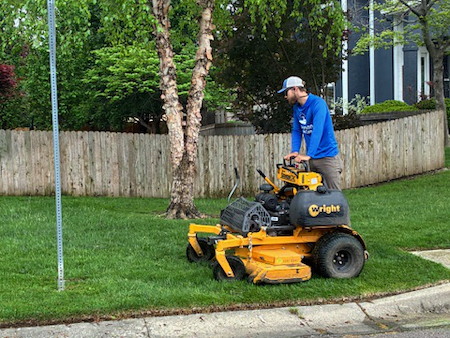
If your lawn sits on Johnson County’s heavy clay, the cut you choose matters more than you think. During July and August heat waves, a precise 4-inch mowing height helps the grass shade the soil, slow evaporation, and reduce the surface cracking clay is known for. At Anderson Lawn Care, our local crews use this standard across Overland Park because it keeps cool-season turf resilient when nights stay warm and afternoons feel relentless. When you want a steady result without guessing, our lawn mowing service applies that 4-inch target and a flexible schedule tuned to what your yard is telling us, not just to a calendar.
Looking for dependable lawn mowing in Overland Park, KS? Here is how a taller summer cut protects your soil, supports roots, and keeps your lawn looking calm and even through the hottest spells.
Why a 4-Inch Cut Works Best in Johnson County Clay
Clay particles are tiny and pack tight, which limits airflow and water movement. When exposed to direct sun, bare clay dries fast, shrinks, and can fracture. A deeper leaf canopy casts shade on the soil, stabilizes temperature, and slows wind across the surface. The 4-inch setting is a reliable summer target for our region’s tall fescue and bluegrass blends because it balances looks with plant health. Taller blades create more leaf area for photosynthesis, which feeds roots when heat is pushing turf toward dormancy.
There is another practical win. A 4-inch canopy reduces splash and soil movement during summer downpours, protecting the crown of the plant. You see fewer thin, brittle spots on south-facing slopes in neighborhoods like Blue Valley and along open cul-de-sacs near 151st Street. Lawns near creek corridors such as Indian Creek often handle heat a little better, but the 4-inch height still prevents exposed clay from baking when wind picks up.
Data Snapshot: Blade Height to Root Depth Ratios
Healthy roots follow the lead of the blades. While actual depth varies by soil, cultivar, and watering, these local-field ranges show why taller summer cuts pay off on clay:
- 2.0–2.5 in blade → 3–4.5 in roots (~1:1.5–1:1.8)
- 3.0–3.5 in blade → 4.5–6 in roots (~1:1.5–1:1.7)
- 4.0 in blade → 6–8+ in roots (~1:1.5–1:2+)
On compacted clay, actual rooting tends to land on the lower end of each range. Even then, the 4-inch cut consistently supports the deepest rooting potential your soil will allow. That extra depth is your summer insurance policy when rain skips Overland Park for a week or two.
How We Adjust Mowing Frequency During Summer Heat
Instead of rigid weekly cuts, we watch for heat-stress signals and stretch or tighten the schedule accordingly. Your lawn’s behavior is the guide:
- Footprints linger. If your footprints remain visible for minutes, the turf is stressed. We pause or delay the next cut to avoid additional leaf loss.
- Leaf blades fold or roll. When blades curl to conserve moisture, we lengthen the interval so plants can recover.
- Uniform color shift from deep green to gray-green. That haze means thirst, not growth. We avoid taking height off at that moment.
- Soil feels warm and crusted at mid-day. On clay, that crust is a red flag that cutting would expose crowns to more heat.
When conditions ease after a cooler front or a steady rain, we resume a normal rhythm and return to that steady 4-inch finish. This cue-based approach is why many south Overland Park homeowners tell us their lawns stop yo-yoing between shaggy and scalped. The goal is consistent density, not a short cut that looks good for one day and stressed for six.
Local heat safety insight: Afternoon cutting on 100-degree index days shocks turf and crews. Anderson Lawn Care schedules summer mowing in cooler windows so blades stay hydrated and engines are far from playtime in busy yards.
Have questions about your block or sun pattern? Call 913-220-2415 and we will take a look.
Spot Heat Stress Versus Lawn Disease
Overland Park lawns see both dehydration and summer diseases, and they can look alike at a glance. Here is a quick visual guide you can trust when looking out the window:
- Heat stress usually shows even, diffuse gray-green that turns straw in sunniest patches, with blades that feel crisp at day’s end.
- Brown patch and similar diseases tend to appear as irregular shapes with sharper edges and a mix of tan and olive. In morning dew you may notice darker, smoky borders where humidity lingers.
- Stressed turf springs back after rain or a cool spell. Disease damage stays patchy even when the weather breaks.
If we suspect disease on a visit, we hold the cut height and avoid removing more tissue until we confirm the cause. Cutting too short while disease is active exposes crowns and accelerates damage. When the pattern points to heat, the 4-inch target and schedule adjustments are usually all it takes to stabilize the canopy’s color and density.
Protecting Clay Soils From Cracking and Compaction
Clay wants to compact under foot traffic and then crack when it dries. The 4-inch canopy acts like a built-in sun hat for your soil, but plant roots also need pathways below the surface. Where we see repeated footprints that do not bounce back, or mower tires leaving gentle ruts after rain, we often recommend pairing mowing with periodic core aeration. Opening channels through dense clay improves infiltration and air exchange so those 6–8 inch roots can develop rather than stall at three or four.
After harsh stretches of July heat, thin areas may appear in full-sun corners of Deer Creek or along long west-facing fences. To rebuild density quickly, we coordinate late-summer mowing with targeted overseeding and fertilization. The taller summer cut helps shield seedlings later on, and the stronger fall root growth positions your turf to shrug off next year’s heat more easily.
The One-Third Rule Still Matters
Even at 4 inches, we protect leaf surface by following the classic one-third guideline. Never remove more than one-third of the blade at a single visit. If fast growth follows a rainy week, we shorten the time between visits rather than dropping your cut lower. On clay, that restraint prevents sudden light and heat from hammering crowns and shallower roots.
Neighborhood Microclimates We Watch
Overland Park is not uniform. Open, windy lots near Antioch and 135th often dry faster than shaded streets east of Quivira. Homes with large south-facing slopes pick up extra radiant heat from paving and light-colored siding. We note those factors on our route. In sunnier microclimates we keep angles varied so tires and deck edges do not press the same line every time, limiting compaction streaks that can turn brown under stress. Where downspouts concentrate water, we maintain the 4-inch finish so blades can buffer splash and keep soil from sealing shut.
When We Tighten or Loosen the Schedule
Our mowing plan in Overland Park flexes with the weather. During steady, moderate weeks we maintain a predictable cadence. When the forecast stacks up triple-digit heat index days or warm nights, we create extra breathing room between cuts. When a rain cell stalls over Blue Valley while Lenexa stays dry, we split timing to avoid forcing a thirsty section to give up more leaf than it can spare. If a cool front settles in, we resume normal intervals and keep your 4-inch finish crisp.
What Homeowners Notice When 4 Inches Becomes the Summer Standard
Most clients tell us two things after a month on this plan. First, color steadies out. The lawn stops flipping between too-long shadows and post-mow scalping glare. Second, soil stays calmer. You see fewer surface cracks near sidewalk edges and fewer brittle patches on mailbox islands. The taller canopy also muffles sound and frames landscaping beds cleanly, so overall curb appeal improves even during a heat wave.
Our Team’s Promise for Overland Park Lawns
We built our approach around clay. That is why our crews set decks to a true 4 inches in peak heat and then let your lawn dictate the timing. We track how blades respond across your yard, not just by the street. If parts of Nottingham Forest are as sunny as a ballfield while your back patio is shaded most of the afternoon, we still deliver a uniform, even finish. If your property would benefit from aeration channels before fall seed, we will flag it and line it up with your regular service so the lawn never skips a beat.
Putting It All Together for a Calmer Summer Lawn
Here is the simple system we use on Johnson County clay when summer is at full power:
- Keep the finished height at or near 4 inches to shade soil and protect crowns.
- Watch for heat-stress cues and stretch the interval before the plant sacrifices more leaf.
- Preserve the one-third rule so roots stay fed and blades keep working.
- Add soil airways with seasonal aeration, then rebuild density with timed overseeding and steady nutrition.
If you want those steps handled without worry, our professional lawn mowing in Overland Park comes with a local, heat-savvy schedule so your lawn looks consistent from July into fall.
Ready for a Cooler, Thicker Lawn in Overland Park?
The shortest cut is rarely the smartest cut on clay. Keep the finish tall, let cues set the pace, and pair mowing with the soil care that keeps roots exploring. Talk with Anderson Lawn Care about a route that protects your yard during the next heat stretch, or tap to call us at 913-220-2415. When you are ready to start, our lawn mowing service will lock in that healthy 4-inch summer standard so your lawn stays steady through every forecast.
Get A Free Estimate Today!
Trustworthy Lawn and Yard Maintenance Services in Overland Park Contact Our Lawn Services Today!